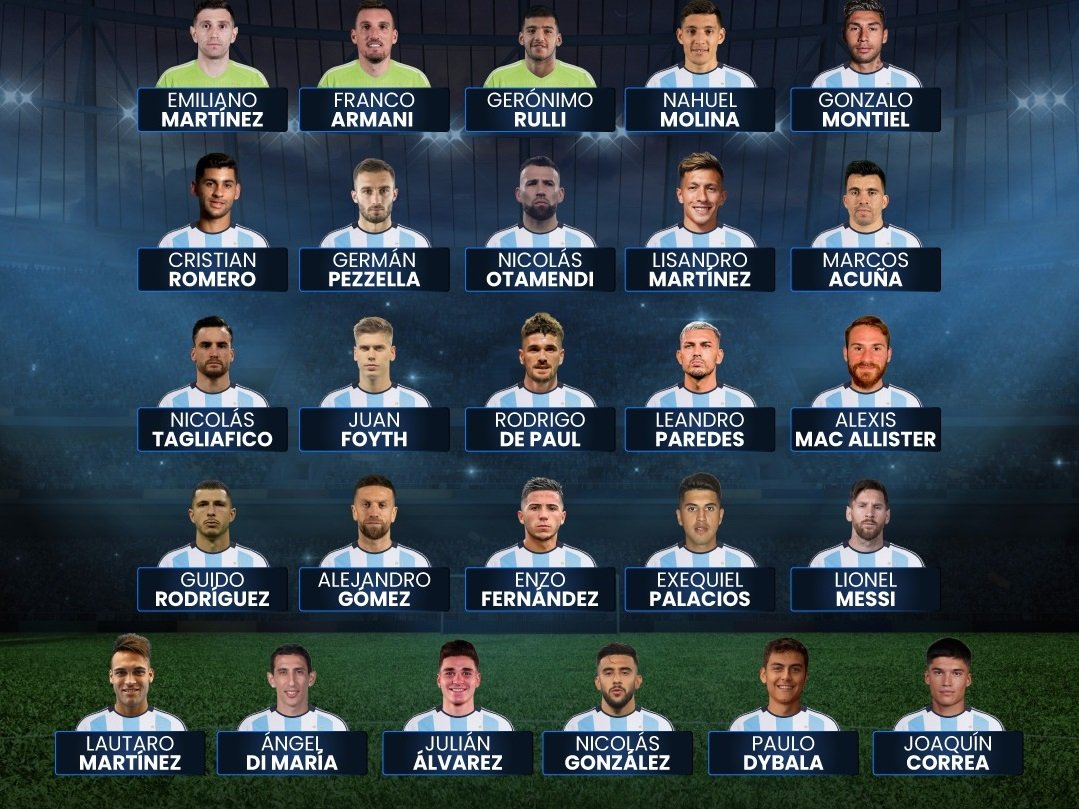
In the fast-paced world of soccer, where milliseconds and strategic decisions can swing a game, merely watching matches isn't enough. True success, whether for an individual player aspiring to higher leagues or a team aiming for championship glory, hinges on profound Team Analysis, Key Players, and Prospects. This isn't just about spotting a great goal; it's about dissecting every pass, every movement, and every decision to uncover the hidden truths that elevate performance.
Far from being a luxury, professional-grade analysis has become an indispensable tool. It’s the difference between guessing what went wrong and knowing exactly why, between hoping for improvement and implementing targeted strategies for growth. If you’re involved in soccer—as a player, coach, scout, or even a dedicated fan—understanding this analytical edge is paramount.
At a Glance: What You'll Discover About Soccer Analysis
- Unlocks Potential: Learn how detailed analysis identifies individual player strengths, weaknesses, and areas for tactical growth.
- Optimizes Team Strategy: Discover methods to refine game plans, address collective flaws, and enhance team cohesion.
- Identifies Future Stars: Understand the criteria for spotting promising talent and projecting their long-term impact.
- Data-Driven Decisions: See how video analysis and statistics provide objective insights for actionable improvements.
- Adaptable Approach: Realize that effective analysis is scalable, benefiting everyone from youth academies to elite professional clubs.
- Beyond the Scoreboard: Move past surface-level observations to understand the deeper mechanics of performance.
Why Dive Deep? The Power of Proactive Analysis
At its core, professional football player and team analysis is a process specifically designed to improve on-field performance. It's not just about looking backward; it's about extracting intelligence from the past to shape a better future. Imagine being able to pinpoint the exact moment a defensive line broke down, or identifying a player's repeated tactical error that goes unnoticed in real-time. This level of insight transforms guesswork into a scientific approach to improvement.
Such analysis evaluates on-field performance using advanced technologies, primarily video analysis, to map game patterns, detect individual and collective strengths and weaknesses, and then deliver practical, actionable recommendations. This data-driven perspective offers a clear competitive advantage, moving teams and players beyond subjective opinions towards objective, verifiable truths.
The Blueprint for Insight: How Professional Analysis Works
The journey from raw footage to actionable insights follows a structured, methodical path, much like a well-executed play on the field. The Clever Soccer outlines a four-step process that provides a clear framework:
1. Initial Evaluation: Setting the Stage
Before any analysis begins, clarity is key. This initial phase involves gathering fundamental information about the subject. For individual players, this means details like their name, age, position, and the club or academy they represent. For teams, it might involve their league, recent results, and specific areas of concern or interest. This crucial first step ensures the subsequent analysis is sharply focused and tailored to specific objectives.
2. Recordings Submission: The Raw Material
The quality of the analysis is directly tied to the quality of the raw material: match or training session recordings. These recordings are the "game film" that experts will dissect. Clear, well-shot footage from multiple angles provides the richest data, allowing analysts to track movements, interactions, and decision-making with precision. Without adequate recordings, even the most skilled analyst will struggle to provide comprehensive insights.
3. Exhaustive Analysis: The Expert's Eye
This is where the magic happens. A team of experts, often leveraging specialized match analysis software, performs a detailed review. They don't just watch; they scrutinize every frame, looking for:
- Tactical Movements: How players position themselves in defense and attack, their transitions, and their adherence to the team's overall system.
- Real-time Decision-making: The choices players make under pressure—when to pass, dribble, shoot, or track back. Are these decisions optimal, or are there recurring errors?
- Technical Efficiency: The execution of fundamental skills like passing accuracy, ball control, shooting technique, and tackling.
- Behavioral Patterns: How players react to different game situations, their communication (or lack thereof), and their resilience under pressure.
This exhaustive approach identifies not just symptoms but the root causes of performance issues, providing a comprehensive understanding of what’s truly happening on the pitch.
4. Personalized Report: Turning Data into Action
The culmination of the analysis is a personalized, comprehensive report. This document translates complex data into understandable, actionable insights. Typically, it includes:
- Performance Summary: A high-level overview of key findings.
- Key Performance Indicators (KPIs): Quantifiable metrics presented with graphs and visual aids, illustrating trends and specific data points (e.g., successful pass percentage in the final third, defensive duel win rate).
- Practical Recommendations: This is the most vital part—specific, implementable advice for improvement. For a player, it might be drills to improve weak-foot passing; for a team, it could be adjusting defensive shape during opponent counter-attacks.
These reports are designed for immediate implementability, fostering continuous improvement.
Beyond the Basics: Practical Analysis for Coaches and Scouts
While professional services offer deep dives, coaches and scouts can integrate powerful analytical practices into their daily routines. Futbollab emphasizes several practical tips for gaining a competitive edge through direct observation and smart data interpretation.
Deciphering Individual Brilliance: Key Player Study
Every player is a unique piece of a complex puzzle. A thorough study of individual players goes beyond their obvious talents. It involves understanding:
- Strengths and Weaknesses: Not just generalities, but specific attributes. Is a defender strong in aerial duels but slow to turn? Is a forward clinical in the box but struggles with build-up play?
- Playing Style: Do they prefer short passes or long balls? Are they a pressing player or do they conserve energy?
- Technical Skills: Precision in passing, dribbling ability, shooting power and accuracy, first touch, and aerial prowess.
- Rhythm and Stamina: How effectively they maintain their performance levels throughout a match, and how quickly they recover.
Analyzing these facets helps identify roles, development needs, and potential transfer targets. When scouting for promising talent, especially from tournaments like South American U-20 matches, a coach or scout will look for these specific indicators to project future success.
Unpacking Team Dynamics: Tactics and Strategies
A team is more than the sum of its parts. Analyzing its collective behavior reveals its true identity and effectiveness. Consider:
- Defensive Strategies: Do they press high or sit deep? How do they handle transitions? What's their offside trap like?
- Attacking Patterns: How do they build from the back? Do they rely on width, central penetration, or direct play?
- Ball Distribution: What's their typical passing rhythm and range? Who are the key distributors?
- Specific Situations: How do they defend and attack corner kicks, free kicks, and throw-ins? Do they have unique set-piece routines?
- Adaptability: How does the team adjust its strategy against different opponents or when faced with unexpected challenges during a match?
Understanding these tactical blueprints allows a coach to formulate countermeasures or reinforce their own team's approach.
The Game in Motion: Match Performance Analysis
Observing actual match performance reveals how well a team's theoretical strategies translate to the field. This involves studying:
- Game Patterns: Ball possession percentages, passing networks, average positional maps, and the pace at which they play.
- Effectiveness in Finishing Plays: Conversion rates, shots on target, and the quality of chances created. Are they getting into dangerous areas, or just taking speculative shots?
- Response to Match Situations: How does the team react when conceding a goal? Do they panic when behind on the scoreboard? How do they manage games when holding a lead? Their emotional and tactical resilience is often revealed in these moments.
Numbers Don't Lie: Statistical Analysis
Statistics provide objective evidence to support or challenge qualitative observations. It's about more than just goals scored. Dive into:
- Match Statistics: Beyond goals, look at shots on goal, fouls committed, passes completed (and completion rate by zone), interceptions, tackles won, and duels success rates.
- Season Statistics: Track wins, draws, losses, league position, and how the team performs against specific types of opponents or in different venues (home/away).
Statistical analysis, when combined with video, paints a complete picture, verifying trends and highlighting areas that might be overlooked by the naked eye.
Training Ground Insights: Analyzing the Preparation
The match is a reflection of the training. Analyzing a team's training provides deeper insights into their potential and philosophy:
- Coach's Techniques: What drills do they prioritize? How do they focus on tactical versus technical development?
- Frequency and Duration of Sessions: Does the training load match the demands of the competition schedule?
- Match Preparation: How do they simulate game situations? Do they specifically prepare for upcoming opponents?
Understanding the training methodology can reveal a team's capacity for improvement and adaptability over a season.
The Unseen Advantage: Identifying Future Stars (Prospects)
The "Prospects" element of analysis is perhaps the most exciting and forward-looking. Identifying talent early can shape the future of a club or even national soccer. This requires a keen eye not just for present ability, but for future potential.
When evaluating a prospect, scouts and coaches look beyond raw athleticism. They consider:
- Technical Foundation: Is their ball control clean? Can they pass with both feet? Do they have a natural feel for the game? Raw talent is important, but a solid technical base is crucial for future development.
- Game Intelligence: Do they make smart decisions under pressure? Can they read the game defensively and offensively? High soccer IQ often sets truly elite players apart.
- Physical Attributes & Potential: While current physique matters, it's also about projecting how they'll develop. Do they have room to grow stronger or faster? Are they agile?
- Mental Fortitude: How do they react to mistakes? Do they show leadership? Are they coachable and eager to learn? A strong mentality is as vital as physical prowess.
- Versatility: Can they play multiple positions or adapt to different tactical roles? This flexibility makes a player invaluable.
- Behavioral Patterns Off-Pitch: While not always visible in match recordings, understanding a prospect’s character, work ethic, and commitment to training outside of official sessions is a significant factor in their long-term potential.
Identifying prospects is about finding that diamond in the rough, understanding that today’s raw talent can become tomorrow’s key player with the right development path.
Tools of the Trade: Software, Observation, and Expert Eyes
Modern soccer analysis blends traditional observation with cutting-edge technology.
- Video Analysis Software: Platforms like Wyscout, InStat, or even more specialized in-house systems allow analysts to tag specific actions, create custom reports, and quickly generate clips for players and coaches. These tools are indispensable for breaking down games into granular data points.
- Direct Observation: There's no substitute for being at a match or training session. The energy, the unrecorded interactions, and the subtle cues of body language often provide context that video alone might miss. Coaches and scouts combine both to get the full picture.
- Expert Teams: The best analysis is rarely done by one person. A team of experts—tactical analysts, physical performance coaches, data scientists, and psychologists—each bring a specialized lens to the overall evaluation. This multidisciplinary approach ensures a holistic understanding of performance.
Real-World Impact: Success Stories and Tangible Results
The benefits of systematic analysis aren't just theoretical; they manifest in tangible improvements.
Consider the youth player who felt stuck in their development. After receiving a personalized analysis report highlighting specific technical deficiencies and recommending targeted drills, they saw a dramatic improvement in their skills, eventually earning a trial and a spot with a higher-category club. The objective feedback gave them a clear roadmap for growth.
Similarly, a professional team struggling with defensive solidity implemented a detailed analysis service. The report identified recurring communication and positioning flaws in their backline during specific opponent attacking patterns. By optimizing their defensive tactics based on these insights, the team reduced goals conceded by 30% in a single season, significantly improving their league standing. These aren't isolated incidents but common outcomes when data-driven decisions replace guesswork.
This service is adaptable to different levels of play, proving invaluable from training academies nurturing future stars to professional clubs fine-tuning their strategy for championship contention. The principles remain the same: understand, analyze, and improve.
Pitfalls to Avoid in Soccer Analysis
While incredibly powerful, analysis isn't foolproof. To ensure your efforts yield true value, be wary of common traps:
- Over-reliance on Raw Statistics: Numbers without context can be misleading. A high pass completion rate might mean a player is playing it safe, not necessarily impactful. Always pair statistics with video and tactical context.
- Lack of Context: An action in isolation tells only part of the story. Understand the game state, the opponent's strategy, and the player's role when evaluating performance.
- Bias: It's easy to look for evidence that confirms a pre-existing belief about a player or team. Strive for objectivity, letting the data and video speak for themselves, even if it contradicts your initial thoughts.
- Information Overload: More data isn't always better. The goal is actionable insights, not just a mountain of statistics. Focus on critical KPIs and trends.
- Ignoring the Human Element: Soccer is played by humans. Fatigue, emotional state, and off-field issues can all impact performance. Analysis should inform, but not replace, a coach's understanding of their players as individuals.
Your Next Play: Making Analysis Work for You
Whether you're a player looking to refine your game, a coach strategizing for the next opponent, or a scout searching for the next big talent, embracing systematic analysis is non-negotiable in modern soccer. It’s the framework that transforms raw potential into peak performance and turns observations into strategic advantage.
Start by being a more critical observer. Ask "why" after every play. Then, if you have access, delve into the tools—whether it's professional video analysis software or simply meticulously recording your team's training sessions. The key is to move beyond superficial observations and commit to a disciplined, data-informed approach. By understanding the intricate details of Team Analysis, Key Players, and Prospects, you're not just watching the game; you're mastering it.